
Arterial screening
- Ankle–Brachial Index (ABI)
- Toe–Brachial Index (TBI)
- Pulse-Wave Velocity (PWV)
- Pulse-Wave Index (PWI™)
- Toe systolic pressure
- Segmental blood pressures
- Optical pulse oscillography
- Microcirculation (toe & finger)
 Vascular diagnostics · distributed by CityMedic
AngE by SOT Medical screens the arteries and veins in minutes — from cuffs and optical sensors alone. Ankle–brachial index, pulse-wave velocity and venous function, with no needles and no radiation, so peripheral arterial disease and venous disorders surface early — in the clinic, not the cath lab.
AngE ABI+ — SOT Medical, Austria
Distributed by CityMedic — across Malaysia's leading hospitals & health systems
8 partners — nationwide








Narrowing arteries in the legs frequently advance without symptoms — and they signal the same disease that threatens the heart and brain. A simple ankle–brachial index is one of the most accessible ways to catch it. AngE makes that measurement fast and repeatable, so high-risk patients — those with diabetes, hypertension or a smoking history — can be screened as part of an ordinary visit.

AngE goes well beyond a blood-pressure cuff — recording pressures, pulse waves and ECG together to read both sides of the circulation.
The AngE platform scales from a pocket-sized screening unit to a full mobile vascular lab, all on the same software and patient record.
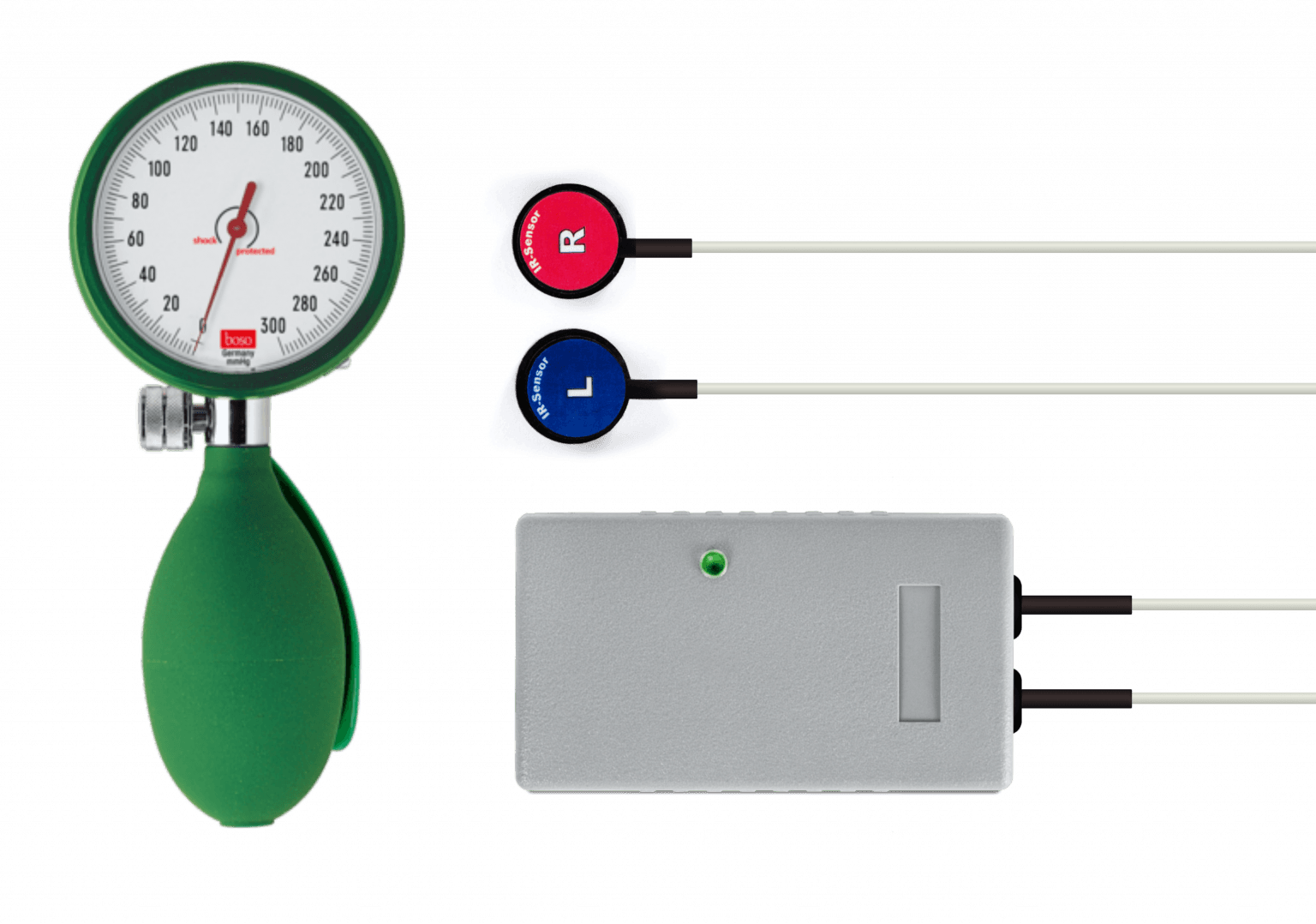
The essential screening unit — ABI, TBI, toe pressure and pulse-wave documentation for fast detection of peripheral arterial disease.
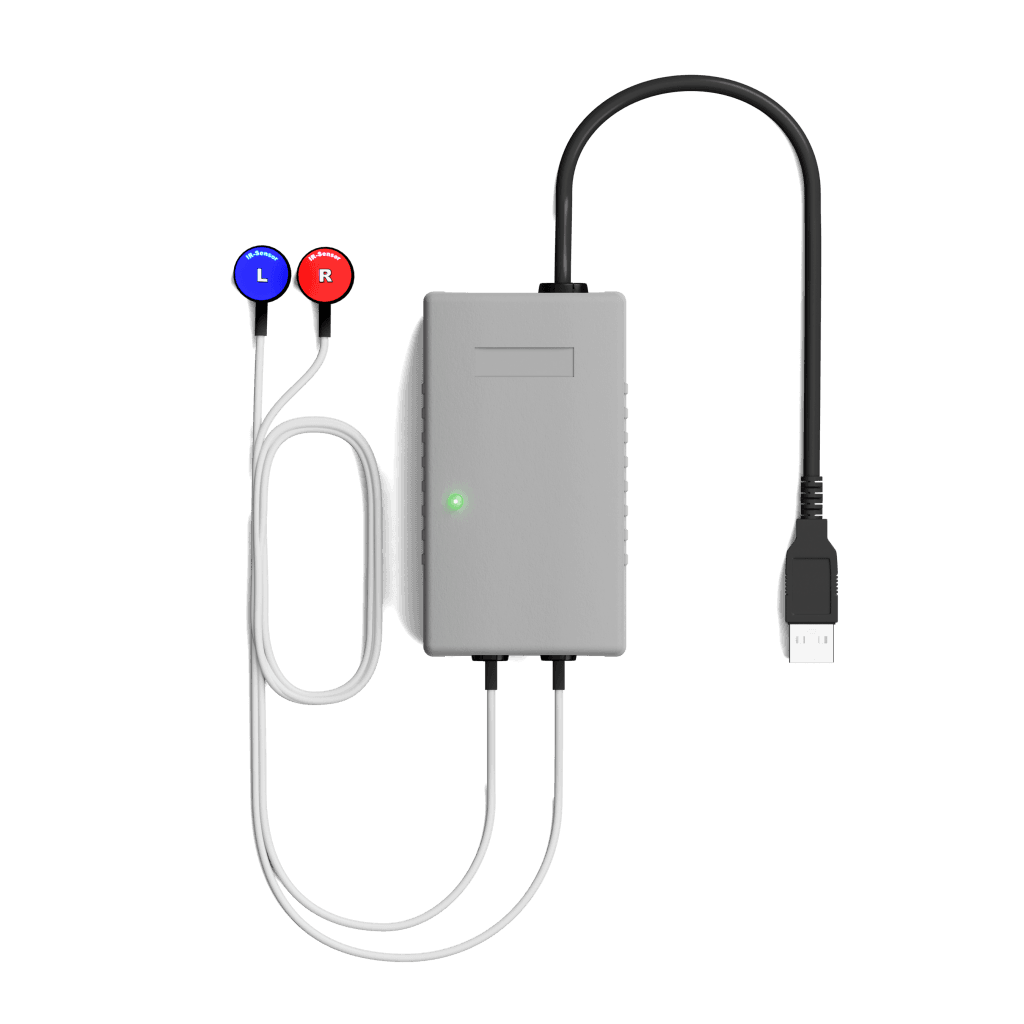
Adds light-reflection rheography for venous function — reflux, valve competence and muscle-pump testing in a three-minute study.
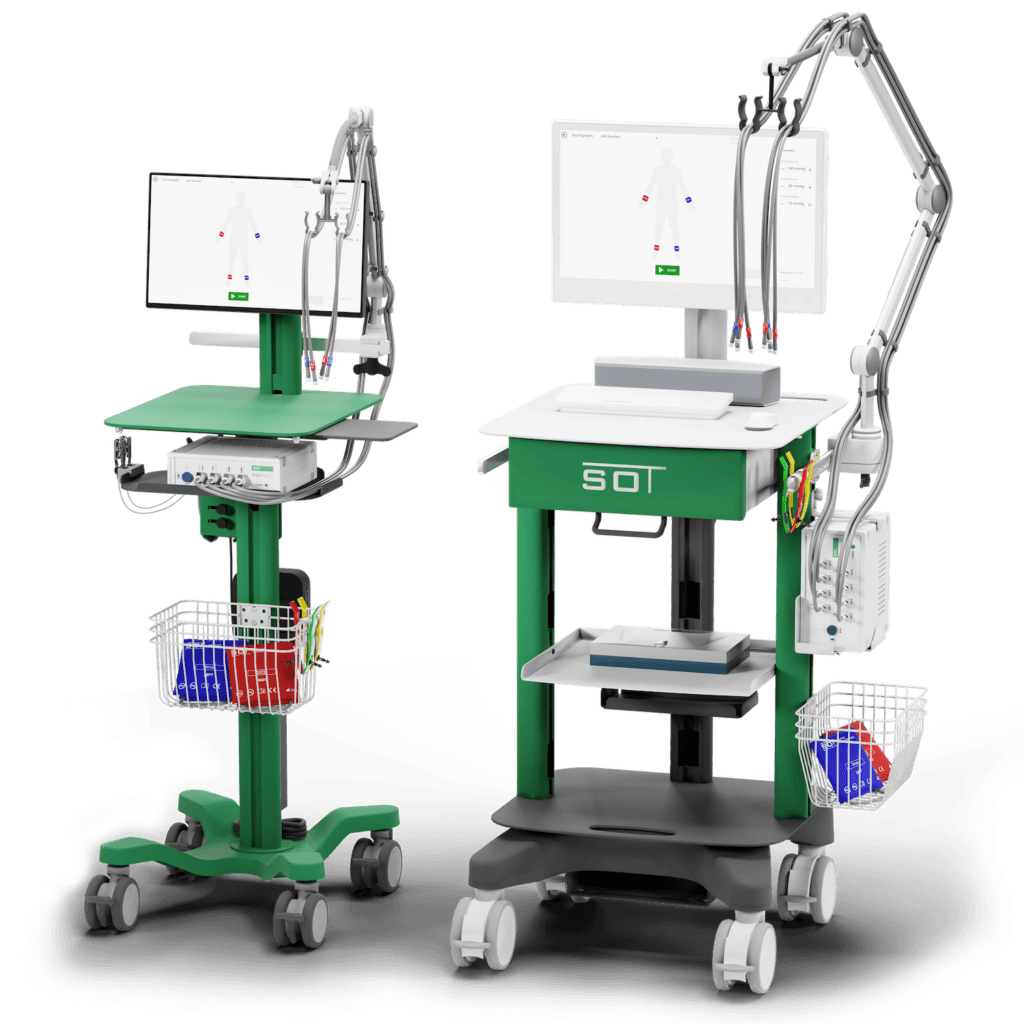
A fully-equipped mobile vascular workstation — segmental oscillography, bidirectional Doppler, PWV and microcirculation analysis.
Four steps, no special preparation — simple enough for everyday practice.
Place the arm and ankle cuffs and the optical pulse sensors — no gel, no skin prep, nothing invasive.
The system records pressures, pulse waves and ECG together, semi-automatically — so a trained assistant can run it.
An arterial ABI screen takes about a minute; a full venous hemodynamic study around three.
Indices and waveforms are calculated and saved to the patient record, ready for the clinician to review.
AngE isn't a replacement for duplex ultrasound or angiography — it's the fast, non-invasive first line that decides who needs them.
| AngE (oscillometric + PPG) | Manual Doppler ABI | Duplex ultrasound | CT / MR angiography | |
|---|---|---|---|---|
| Method | Cuffs + optical sensors | Hand-held Doppler + cuff | Ultrasound imaging | Contrast imaging |
| Invasive / radiation | None | None | None | Contrast (+ radiation on CT) |
| Time to result | ~1–3 minutes | 10–15 minutes | 20–40 minutes | Same / next day |
| Operator skill | Low — delegable | High | High | High |
| What it shows | Function: ABI, PWV, flow | ABI only | Anatomy + flow | Detailed anatomy |
| Where it runs | Primary care & clinics | Clinics | Vascular labs | Imaging centres |
| Typical role | First-line screening | Screening | Confirmatory | Pre-intervention |
A full arterial screen in about a minute — fast enough to fold into a routine consultation.
Cuffs and optical sensors only. No needles, no contrast, no radiation — and fully repeatable.
Begin with ABI+ and add venous, PWV, microcirculation or an 8-channel lab as your practice grows.
Built so a trained medical assistant can perform the screening, freeing up clinician time.
DICOM and HL7 integration drops results straight into your hospital or clinic records.
Engineered and manufactured in Austria to ISO 13485:2016, CE marked, with 38 years of vascular heritage.
SOT Medical has built vascular diagnostics in Austria for nearly four decades. Figures are as reported by the manufacturer.
Both sides of the circulation: ankle–brachial index (ABI), toe–brachial index (TBI), pulse-wave velocity and segmental pressures on the arterial side, plus venous function — reflux, valve competence and muscle-pump studies.
An arterial ABI screen takes about one minute; a full venous hemodynamic study takes around three.
No. AngE measures through pressure cuffs and optical pulse sensors only — no needles, no contrast, no radiation — so screening is comfortable and fully repeatable.
AngE is engineered and manufactured in Austria under ISO 13485:2016 and is CE marked.
CityMedic distributes AngE by SOT Medical in Malaysia. Talk to us about a demo or bringing it to your clinic, hospital, or screening programme.
Distributed in Malaysia by CityMedic · MDA-certified · Since 2011
For professional use. AngE is a vascular-screening aid that supports — not replaces — clinical judgement and confirmatory testing. Regulatory status varies by market; specifications, indices and certifications cited are as reported by the manufacturer, SOT Medical.