
Why your glucometer readings vary — and how to get accurate results
Medically reviewed by Pharmacist Cherlyn
The short answer
Most surprising glucometer readings come from expired or heat-damaged strips, wet or unwashed hands, too small a blood drop, or comparing different times of day. Home meters can also legitimately differ from a lab result by up to about 15%.
If your numbers seem to jump around, the meter usually isn't broken. A few everyday factors explain most of the variation — and they're easy to control.
The usual culprits
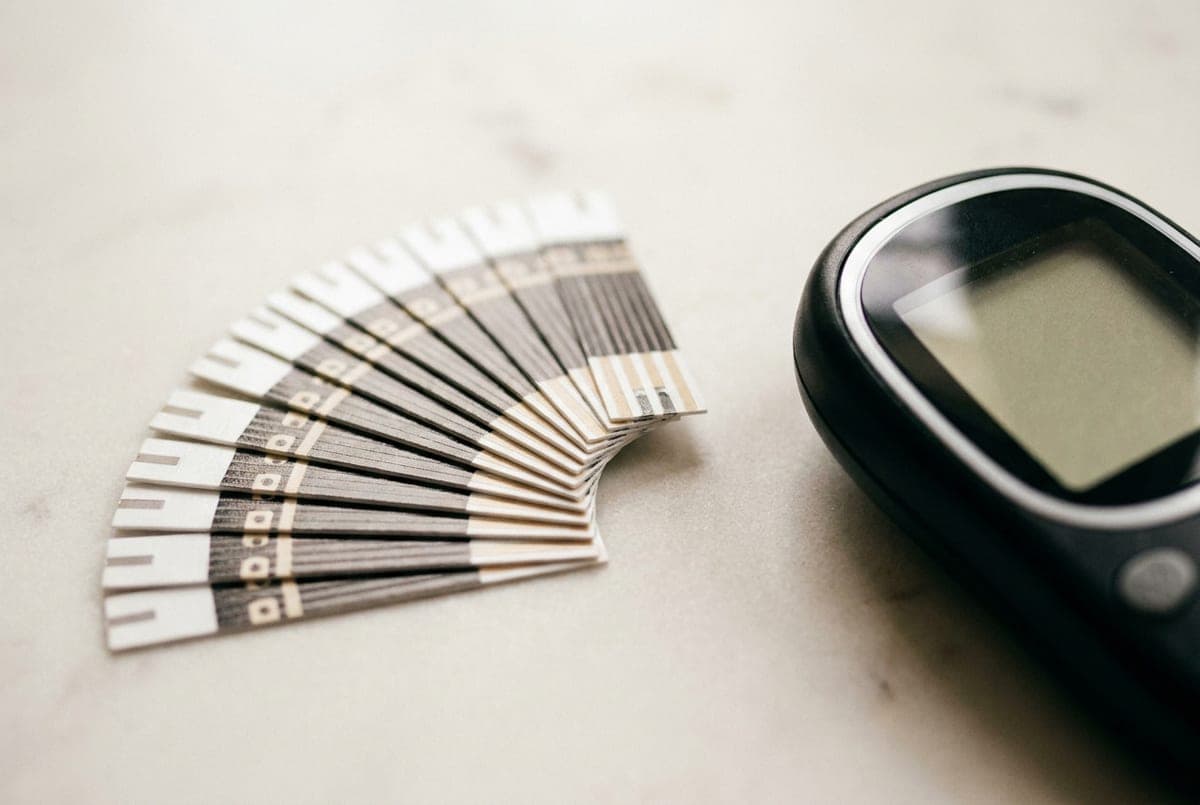
- Test strips: expired, or stored in heat/humidity — the most common cause of odd readings.
- Technique: wet hands, food residue, too small a drop, or over-squeezing the finger.
- Timing: comparing a pre-meal and post-meal reading and expecting them to match.
- Hydration & temperature: dehydration and very cold hands can affect results.
- Meter-to-meter differences: two different models can legitimately read a little differently.
Home meter vs lab: what's normal?
Home glucometers measure capillary blood and are permitted a margin of difference from a laboratory plasma test. A gap of up to roughly 15% can be perfectly normal — so don't be alarmed if your meter and a clinic result aren't identical. To compare fairly, test at the same time as the blood draw.
How to get consistent results
- Use in-date strips kept in their sealed vial; close the cap straight after taking one.
- Wash and dry hands; warm them if cold.
- Fill the strip fully in one go; don't add more blood after it starts reading.
- Use a meter with auto-coding (like the GlucoDr Auto A) to remove coding errors, and run a control-solution check if results seem off.
New to testing? Start with how to use a glucometer.
This article is general health information, not medical advice. Target ranges are guides based on widely used standards (WHO, ADA, and Malaysian Clinical Practice Guidelines) and are individualised by your doctor. Always discuss your own results with a healthcare professional.
Frequently asked questions
Why is my glucometer reading different from the lab?
Home meters use capillary (fingertip) blood and are allowed a margin of variation from lab plasma values. A difference of up to ~15% can be normal if your technique and strips are fine.
Why are two readings minutes apart different?
Biological variation, blood from different drops, and technique all contribute. Small differences between consecutive tests are expected, not a fault.
How should I store test strips?
Keep them in their original sealed vial, away from heat, humidity, and direct sun. Close the cap immediately and never use strips past their expiry date.