
What is oculomics? The eye as a window to your whole-body health
Medically reviewed by Pharmacist Cherlyn
The short answer
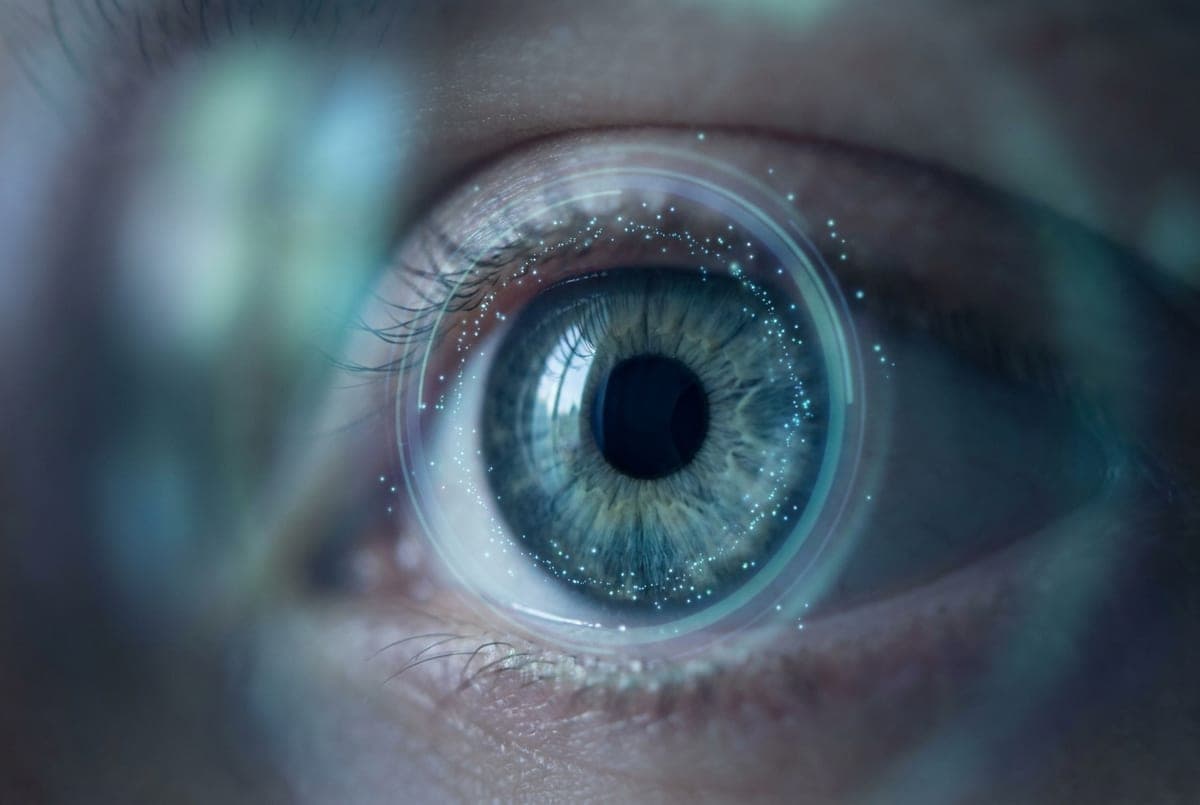
Oculomics is the study of the eye — especially the retina — to find signs of disease elsewhere in the body. The retina is the only place a doctor can directly, non-invasively see your blood vessels and nerves, so AI can now read a single retinal photo for clues about diabetes, high blood pressure, and cardiovascular risk.
Your eye is the only part of your body where a doctor can look directly at your blood vessels and nerves without a single cut or needle. Oculomics — a field that took shape around 2020 — turns that unique view into insight about your whole-body health, not just your eyesight.
Why the retina is so revealing
The retina, at the back of the eye, is lined with a fine network of blood vessels and nerve fibres. Conditions that damage small vessels elsewhere — diabetes, high blood pressure, and cardiovascular disease — leave visible footprints here. Because we can photograph the retina cheaply and non-invasively, it acts as a "window" onto processes happening throughout the body.
What can show up in a retinal photo
- Diabetes: diabetic retinopathy — leaking or damaged vessels caused by high blood sugar over time.
- High blood pressure: hypertensive retinopathy — narrowed or nicked vessels from sustained pressure.
- Cardiovascular risk markers: research has shown AI can estimate risk factors such as age, blood pressure and smoking status from retinal images.
- Eye-specific disease: glaucoma, macular degeneration, and more — many of which are silent until vision is affected.
Where AI comes in
Reading these subtle signs reliably, at scale, is hard for humans alone. Deep-learning models trained on hundreds of thousands of retinal photos can flag abnormalities in seconds — making population-wide screening feasible. CityMedic distributes Airdoc, an AI fundus camera that screens a single retinal image for dozens of conditions and health-risk profiles in about three minutes.
What it means for you
Oculomics makes it realistic to catch problems early — during a routine eye scan at a pharmacy, clinic, or health screening — before symptoms appear. It doesn't replace blood tests or your doctor; it's an accessible first line that flags who should be checked further. To see the clinical evidence behind this approach, read about Airdoc's study in The Lancet Digital Health.
This article is general health information, not medical advice. Target ranges are guides based on widely used standards (WHO, ADA, and Malaysian Clinical Practice Guidelines) and are individualised by your doctor. Always discuss your own results with a healthcare professional.
Frequently asked questions
What is oculomics?
Oculomics is an emerging field (the term was coined around 2020) that analyses images of the eye — particularly the retina — to detect or predict diseases affecting the whole body, not just the eye itself.
Can an eye scan really detect diabetes or high blood pressure?
The retina shows the damage these conditions cause to small blood vessels. A retinal photo can reveal diabetic retinopathy and hypertensive retinopathy, which is why a fundus scan is used to screen for them — though diagnosis is confirmed with blood tests and blood-pressure readings.
Does oculomics replace blood tests?
No. It's a fast, non-invasive screening and risk-flagging tool that complements — not replaces — blood tests, blood-pressure measurement, and a doctor's assessment.