

High accuracy
Predicts cardiovascular risk with performance shown in studies to be comparable to a heart CT calcium score.
 AI cardiovascular risk · distributed by CityMedic
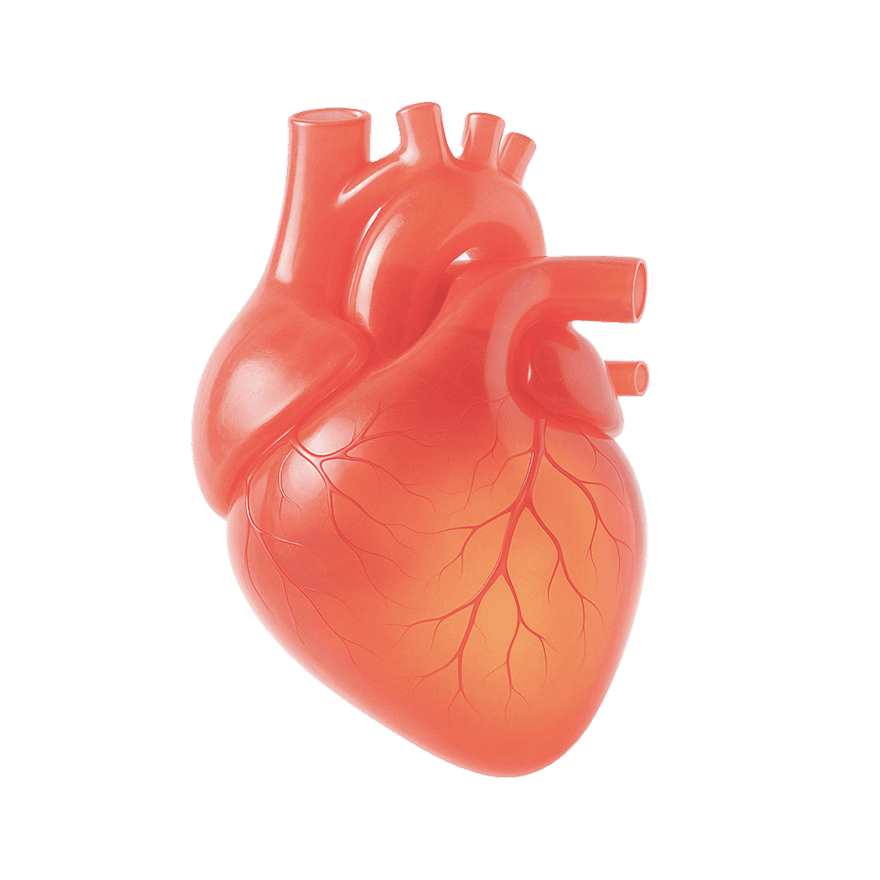
Dr.Noon by Mediwhale assesses cardiovascular disease risk from a single photo of the retina. In peer-reviewed studies its retinal biomarker predicted risk with performance comparable to a coronary-artery calcium (CT) score — yet it's non-invasive, radiation-free, and takes under three minutes.
Dr.Noon CVD — Mediwhale
Distributed by CityMedic — across Malaysia's leading hospitals & health systems
8 partners — nationwide








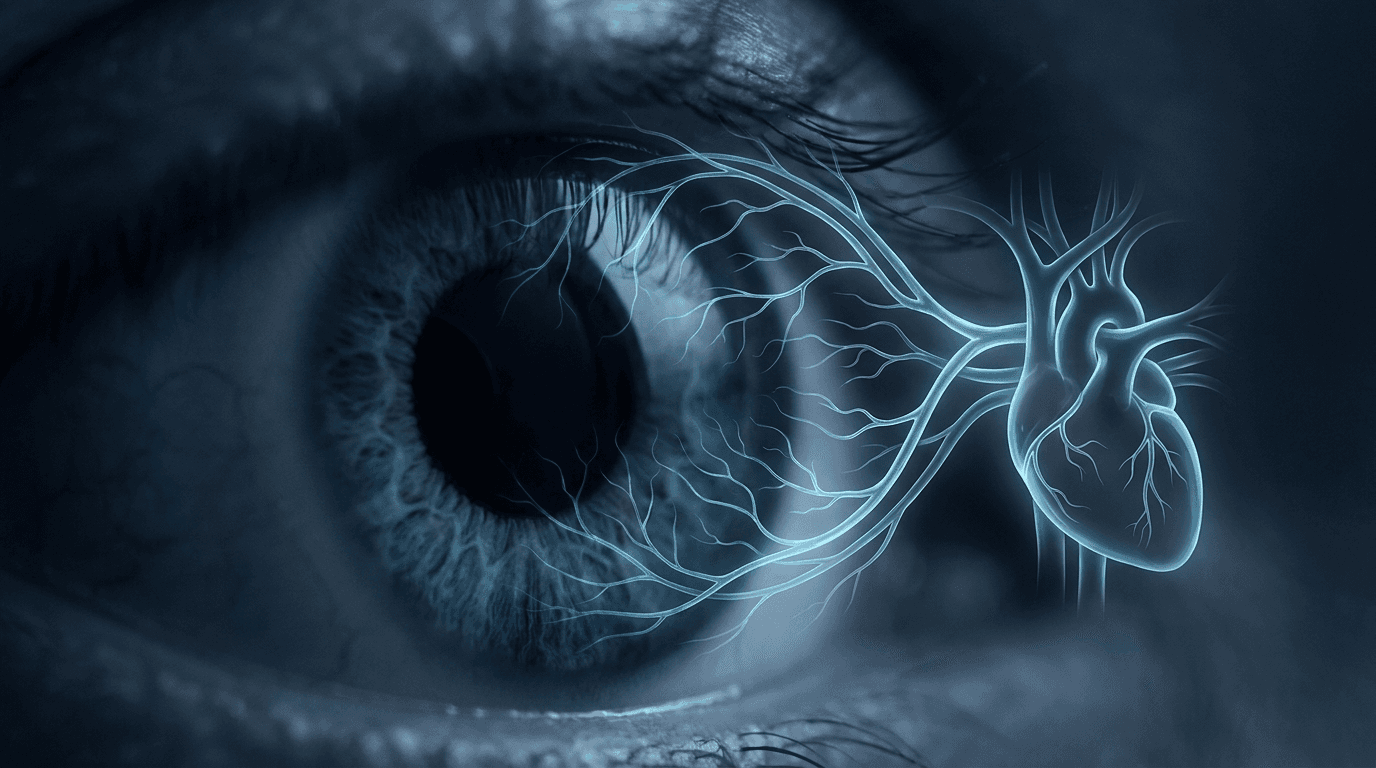
The retina is the only part of the body where the microvasculature can be observed in vivo, without surgery. Dr.Noon's deep-learning biomarker — Reti-CVD — reads subtle patterns in those vessels from a standard fundus photograph to estimate future cardiovascular risk, a non-invasive complement to blood panels and cardiac imaging.
A simple, six-step clinical workflow that fits an everyday consultation.

Flag the patients who benefit most — those living with diabetes, high blood pressure, high cholesterol, or obesity.

A brief review of history and risk factors, folded into the normal visit.
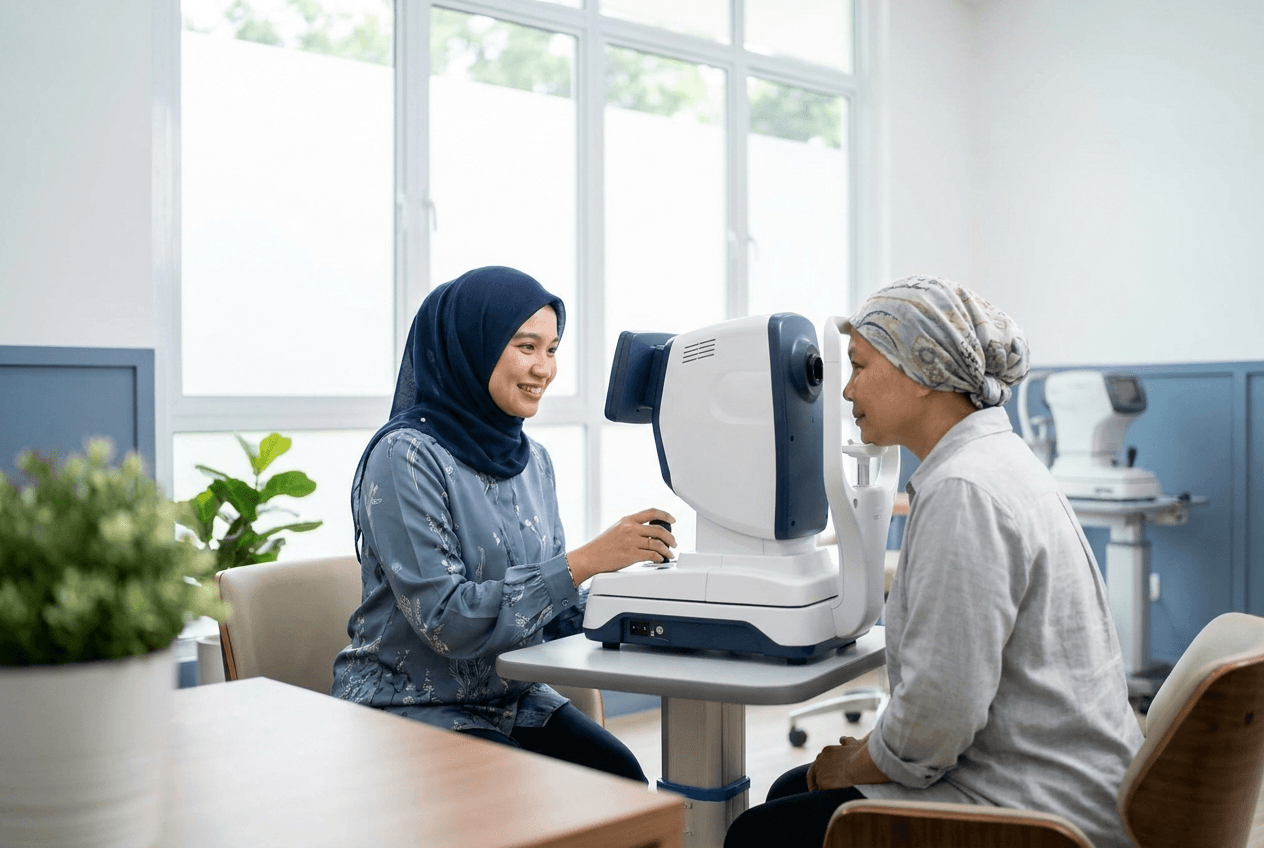
A trained operator captures one retinal photo per eye — non-invasive, no needles, no radiation.

Images are sent securely to Dr.Noon's analysis engine, on the cloud or an in-house server.

The Reti-CVD deep-learning biomarker reads the retinal vessels to estimate cardiovascular risk.

An automated risk report is ready within minutes for the clinician to review with the patient.
Every scan produces an easy-to-read report — a cardiovascular risk status, a plain-language explanation, and recommendations — that you and your patient can act on together in the same visit.
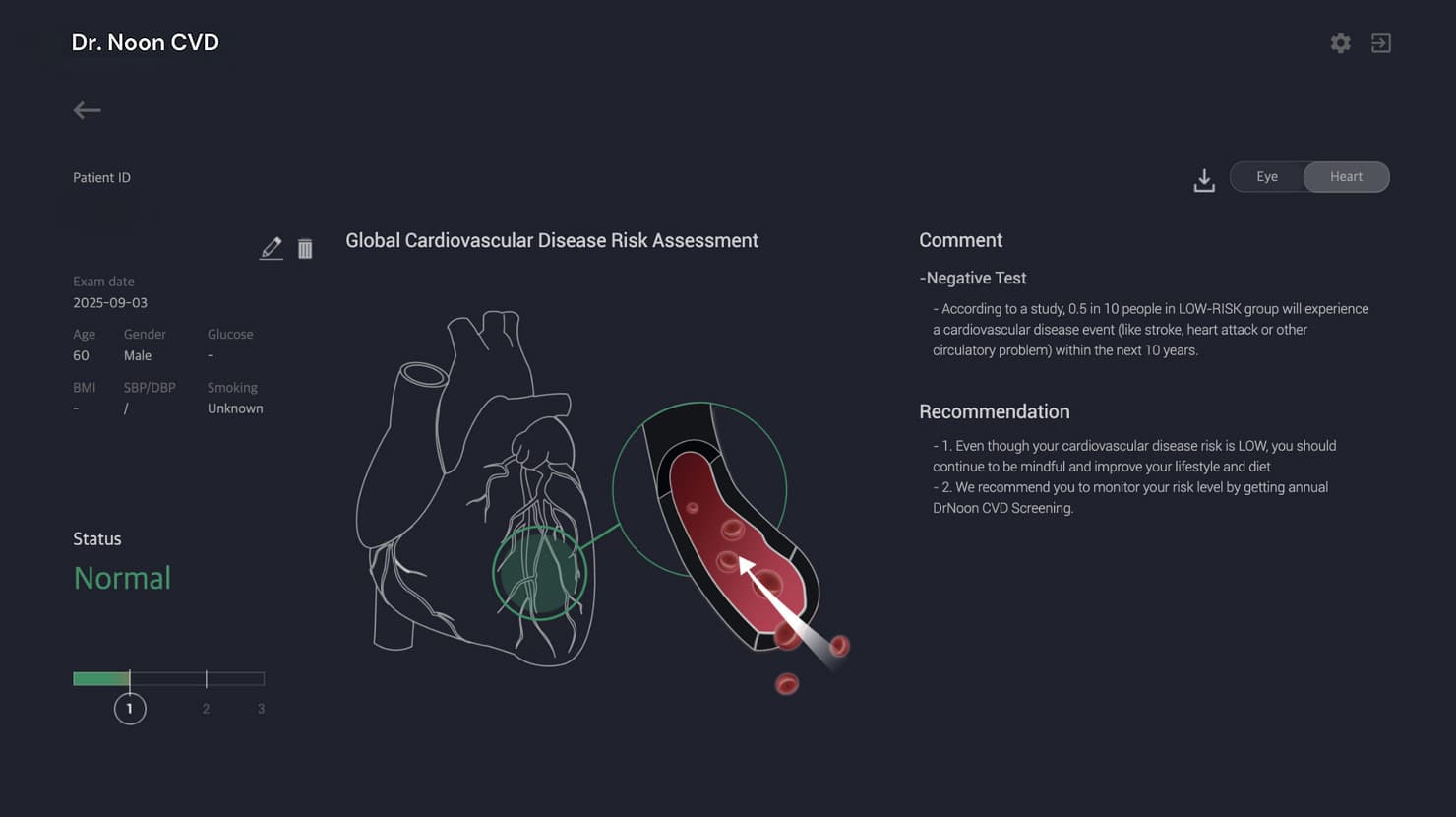
Dr.Noon isn't a replacement for every test — it's an accessible, non-invasive way to surface cardiovascular risk earlier, in settings that don't have a CT scanner.
| Dr.Noon (retinal AI) | Heart CT (CACS) | Carotid ultrasound | Pulse-wave velocity | |
|---|---|---|---|---|
| Test type | Retinal photo + AI | CT imaging of the heart | Neck-artery ultrasound | Arterial pulse sensors |
| Radiation | None | Yes | None | None |
| Equipment footprint | Fundus camera (small) | CT scanner (large) | Ultrasound machine | Dedicated device |
| Time to result | Under 3 minutes | Same / next day | Minutes–same day | Minutes |
| Operator skill | Low | High | High | Moderate |
| Where it runs | Primary care & clinics | Imaging centres | Clinics & hospitals | Clinics |
| Relative cost | Low | High | Moderate | Moderate |
Predicts cardiovascular risk with performance shown in studies to be comparable to a heart CT calcium score.

No needles, no contrast, no radiation — just a photograph of the eye.

A more affordable way to surface cardiovascular risk than conventional imaging.

A risk read in minutes — no waiting on lab work or a separate imaging appointment.

Runs from a standard fundus camera, so it fits clinics, hospitals and screening centres alike.
Mediwhale reports more than 50 peer-reviewed publications behind Dr.Noon, alongside recognition including a CES 2023 Innovation Award and top honours at MICCAI 2024. A selection of the research:
216,152
retinal photographs across three countries, one validated biomarker

No. Dr.Noon is a cardiovascular risk assessment, not a diagnosis — it is designed to support, never replace, clinical judgement and confirmatory testing.
Under three minutes. The scan is a photograph of the retina — non-invasive, with no needles, no contrast and no radiation.
A standard fundus camera. Images are uploaded securely to Dr.Noon's analysis engine, on the cloud or an in-house server, so it fits equipment most eye-care and screening settings already use.
Clinics, hospitals and screening programmes that want to surface cardiovascular risk earlier. CityMedic distributes and supports Dr.Noon by Mediwhale across Malaysia.
CityMedic distributes Dr.Noon by Mediwhale in Malaysia. Talk to us about a demo or bringing it to your clinic, hospital, or screening programme.
Distributed in Malaysia by CityMedic · MDA-certified · Since 2011
For professional use. Dr.Noon is a cardiovascular risk-assessment aid, not a diagnosis, and is intended to support — not replace — clinical judgement. Regulatory status varies by market; figures and approvals cited are as reported by the manufacturer, Mediwhale.